
Orbital Data Centers
Powering the future of data processing and storage, AI, cybersecurity, and digital sovereignty in space.
Scalable, cloud-enabled data processing and storage operating directly in space
Orbital Data Centers (ODCs) work in conjunction with terrestrial cloud infrastructure, or independently for high-security use cases, bringing the power of the cloud above Earth's surface.
By reducing reliance on ground-base systems, ODCs enable faster and more secure storage and processing of satellite and mission data, while creating an orbital cloud that strengthens global data sovereignty, AI autonomy, and resilience against terrestrial disruptions.

Faster Insights
In-orbit processing delivers low-latency analytics and real-time decision making without constant downlinking delays. Transmit actionable intelligence directly to ground stations within seconds.
Unmatched Security
Physically isolated infrastructure with end-to-end quantum encryption and zero-trust architecture safeguards critical defense and sovereign mission data beyond terrestrial reach.

Continuous Resilience
Immune to terrestrial outages, power grid failures, and natural disasters, ensuring uninterrupted 99.999% cloud compute uptime during ground-based disruptions.
Global Data Independence
Operates beyond national jurisdictions to support sovereign, borderless data management, legal compliance, and international security protocols.
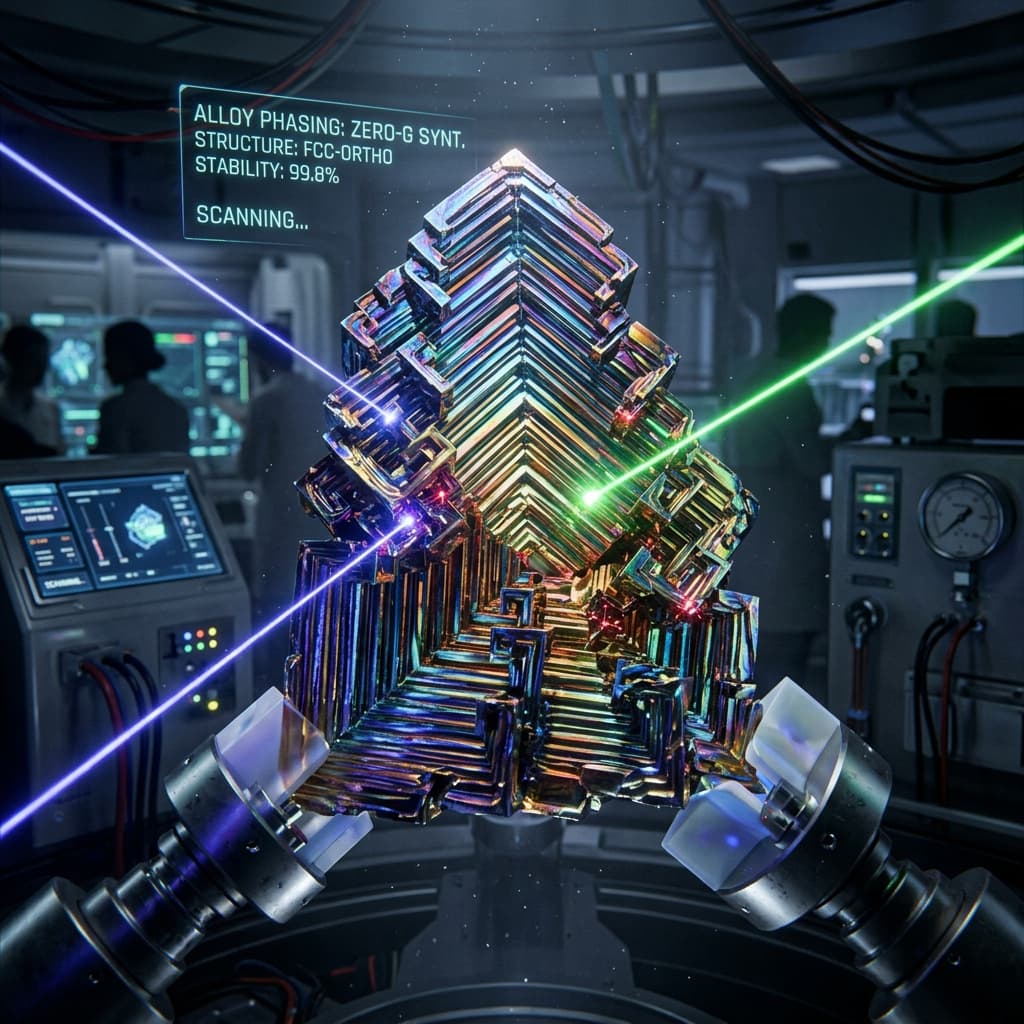

Infinite Scalability
Powered by limitless solar radiation energy and modular orbital station architecture for sustainable, self-expanding compute node capacity.
Minimal Environmental Impact
Expands global compute power without the massive fossil energy, billion-gallon water cooling demand, and land footprint of Earth-based data centers.

Planet Labs & Metals Leads Digital Infrastructure Beyond Earth
By delivering cloud computing above the clouds, Planet Labs & Metals is pioneering the next step for data, enabling global resilience, digital sovereignty, and long-term sustainability.
Data Sent with Immediate Response
In-orbit automated filtering transmits only actionable high-value insights down to Earth.
Edge AI Inferencing in Orbit
Deploy neural network inference models directly on orbital servers near sensors.
Sovereign Space Vaults
Tamper-proof, air-gapped physical storage operating in secure low-Earth orbit.
Proven Expertise for Progress Today
Operationalized the first commercial cloud device in space
In 2022, as a part of the Ax-1 Mission, we launched and operationalized an AWS Snowcone device onboard the International Space Station. For the first time, commercial AI inferencing was successfully conducted in-orbit.
Proved operational reliability of commercial off-the-shelf technology in low-Earth orbit
Utilizing Quantinuum's Quantum Origin, we established the first quantum-secure link between the International Space Station and Earth by sending the message "Hello Quantum World" back to the ground encrypted with post-quantum keys seeded using the world's first commercially available cryptographic key generation platform based on verifiable quantum randomness.
This method safeguards against current and future threats to data and infrastructure in space and furthers the advancement of a quantum enabled space economy in low-Earth orbit.
Demonstrated initial ODC capabilities on the International Space Station
Planet Labs & Metals deployed Data Center Unit-1 (AxDCU-1), a data processing prototype powered by Red Hat Device Edge, onboard the International Space Station in the fall of 2025.
AxDCU-1 will conduct test applications on the orbiting lab to demonstrate initial ODC capabilities as a part of Planet Labs & Metals' ongoing work to develop era-defining space infrastructure.
The compute unit can run cloud computing, artificial intelligence and machine learning (AI/ML), data fusion and space cybersecurity applications utilizing Earth-independent cloud storage and edge processing infrastructure.
Launched the first dedicated data center nodes to low-Earth orbit
The first two orbital data center nodes successfully launched to low-Earth orbit on January 11, 2026.
These ODC nodes will lay the foundation for space-based cloud computing, addressing growing global needs for secure, scalable, and cloud-enabled data storage and processing directly to satellites, constellations, and other spacecraft.
Launched with the first tranche of Kepler Communications' optical relay network constellation, these nodes build on our collaboration with the integration of Optical Intersatellite Links (OISLs), enabling high-speed data connections directly between ODCs and commercial and government spacecraft and networks on orbit.
2030 & Beyond
Planet Labs & Metals is committed to expanding our ODC network in the years to come, significantly increasing capacity and capability from kilowatts to megawatts of processing power.
Built with commercial-off-the-shelf hardware, running industry-standard containerized operating systems, and connected over existing radio communications and next-generation optical relay meshes, an entire network of scalable and commercial cloud computing resources are made available to space and terrestrial users, driving results for the benefit of every human, everywhere.
The Trusted Leader In Orbital Infrastructure
Our expertise in human spaceflight, station infrastructure, and on-orbit operations ensures secure, resilient, and commercially viable data centers in low Earth orbit.
Planet Labs & Metals is building the foundation for the orbital cloud, connecting space, Earth, and everything in between.
Pioneering an
Industrial Revolution
Planet Labs & Metals leads the space industrialization era, taking data center infrastructure to orbit for the benefit of cloud and AI users in space and on Earth.
Let’s Build the Future of Compute Beyond Earth
Join Planet Labs & Metals in creating a more secure, sustainable, and connected planet-powered from orbit.